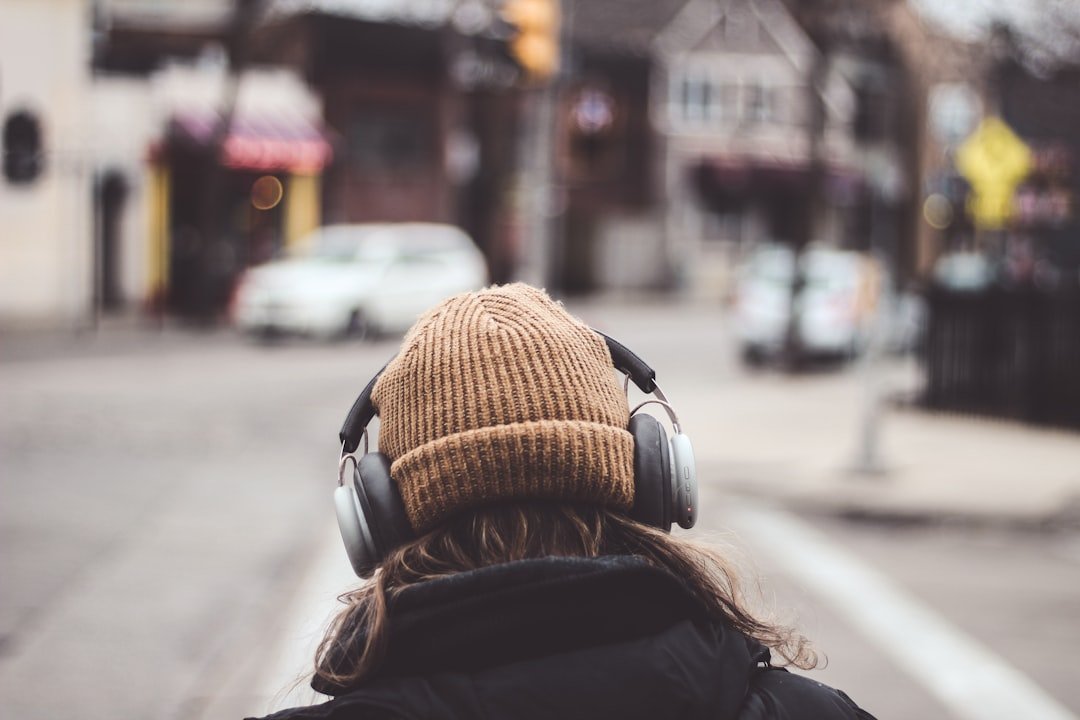
There is an uncomfortable fact at the centre of language learning: if you want to understand spoken language, you have to spend a lot of time listening to spoken language.
Vocabulary study helps. Grammar helps. AI explanations help. None of them substitutes for the perceptual skill itself.
Speech does not arrive with spaces between the words
On a page, the language waits for you. In speech, sounds blur, shorten and influence one another while the sentence keeps moving. A learner has to segment that stream fast enough to recover meaning before the next phrase arrives.
That is why someone can know every word in a sentence and still fail to understand it when spoken naturally.
Listening is pattern recognition under time pressure
Repeated listening builds associations between messy acoustic reality and the language you already know. Common words stop needing deliberate decoding. Familiar chunks begin to arrive as units. Prediction improves.
This is one reason mass listening matters: the system needs enough examples to become robust across speakers, speeds and contexts.
But random listening is inefficient at the beginning
“Just listen more” is incomplete advice. If almost everything is incomprehensible, hours can pass with very little being learned. Early listening should overlap heavily with language you are learning elsewhere.
Listen to material you can substantially understand. Re-listen. Read the text. Learn the important vocabulary. Shadow useful sections. Then return to the audio.
The goal is eventually to need less scaffolding
As vocabulary and parsing ability grow, the range of useful listening expands. Podcasts, dramas, conversations and audiobooks begin providing the volume that a course never could.
The structured system is therefore a bridge to mass natural exposure, not a replacement for it.
You cannot outsource listening. You can organise it so the hours pay back faster.